
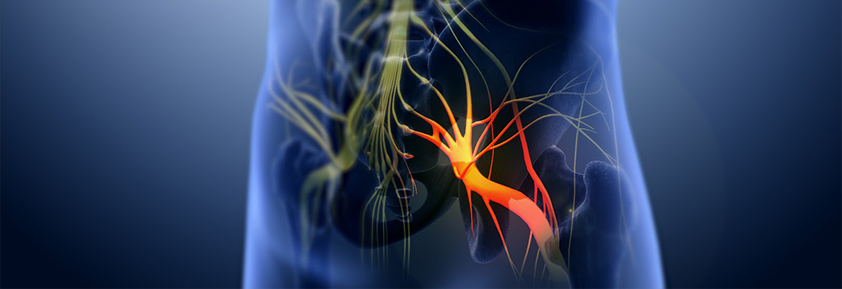
Sciatica is a condition characterized by pain and numbness that starts in the lower back and goes down the leg, following the sciatic nerve. It is usually caused by a herniated disc in the lower back, and typically only occurs on one side of the body.
The pain can be more intense while standing, walking, lying, down, or after you cough or sneeze. Although sciatic pain can be intense, it is often easily treated.
At North Dallas Spine Center, your wellness is our top priority. So, if you’re looking for sciatica treatment we are your local Plano solution.
What Causes Sciatica?
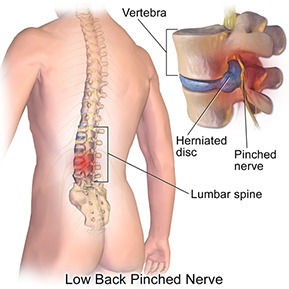
Sciatica is caused when something, usually a herniat-ed disc or a bone spur, pinches the sciatic nerve, which starts in the lower back and runs all the way down to the foot. In certain cases, the nerve can be compressed by a tumor or damaged by conditions such as diabetes, but this is less common.
What Are the Risk Factors for Sciatica?
Sciatica can occur in anyone, but there are some risk factors that make it more likely. The first is also the most common—age. Age-related changes in the spine, such as bone spurs or herniated discs, can lead directly to sciatica. Obesity is another common risk factor, as the increased weight and stress on the spine can lead to a pinched nerve.
People who lead sedentary lifestyles, or have a job that requires them to be seated for long periods of time, are also at particular risk. Another risk factor is diabetes, which can cause nerve damage.
What Are the Symptoms of Sciatica?
The hallmark of a pinched sciatic nerve is pain that starts in the lower back and travels down the buttock and the back of the leg, sometimes all the way down to the foot. It is typically only felt on one side of the body. Often, this pain can be a dull ache that gets much sharper during certain movements or following a cough or sneeze, although this can vary wildly.
Staying seated for long periods can also wors-en the pain. Tingling or numbness in the affected leg is also a common symptom, but is not always present.
How Is Sciatica Diagnosed?
Sciatic pain is usually diagnosed with a simple physical examination. If sciatica is suspected, a doctor will check your reflexes and the strength of your muscles. You may be asked to perform simple exercises, such as lying on your back and lifting your legs, or walking on the heels of your feet.
If sciatica is the answer, typically the pain will worsen from these activities. In some instanc-es, imaging tests, such as X-rays or a magnetic resonance imaging, more commonly known as MRI, will be used, but this is rare.
How Is Sciatica Treated?
There are a number of treatments available for sciatic pain relief. Often, the first goal will be to lessen the acute pain of the patients to provide them relief.
1. Non-surgical Spinal Decompression (DRX-9000)
Non-surgical spinal decompression has been proven effective at gently releasing the pressure off the nerves and discs of the spine. The procedure is painless and highly effective for many patients looking to obtain both short term and longer lasting results.
2. The NUCCA Procedure
The NUCCA procedure is utilized in the treatment of Sciatica conditions to help facilitate balance, stabilization, and an improved integrity of the structural component of the spine. Often times, people will develop postural imbalances that make them more susceptible to this type of condition. By incorporating the NUCCA procedure, patients are able to achieve more rapid pain relief along with a more complete recovery.
How Long Does Sciatica Last?
Sciatic nerve pain can persist for many years if left untreated. The longer the person waits to undergo treatment the more risk is involved of obtaining damage to the integrity of the nerve. It is quite common to see many cases become asymptomatic on their own for sometime, thus giving the person a false sense of security, only to have other episodes down the road. These episodes end up adding new damage on top of the previous damage. Due to the nature of this, the condition then becomes more concerning and difficult to treat.
How Do I Prevent Sciatica?
As always, an ounce of prevention is worth a pound of cure. This is especially important if you’ve already had sciatica once, since the condition can recur if you’re not careful about preventing it.
The best way to prevent sciatic nerve pain is to exercise regularly. Pay particularly close attention to your core muscles. The muscles in your lower back and abdomen are vital for proper posture and spine alignment.
It’s important to keep good posture when you’re sitting as well. Make sure you have a chair with armrests and good back support. If necessary, you can place a small pillow against your lower back to maintain the proper curve.
If you’re concerned about sciatica, ask your doctor for a list of exercises to prevent sciatic pain. Here are a few to get you started.
The intense pain and numbness caused by sciatica can be frightening. But remember that it is almost always a temporary and easily treated condition. If you notice any of the symptoms of sciatica, don’t hesitate to call your doctor.
